Exploring the Corrosion Resistance of PV Cables in Photovoltaic Systems
Introduction Photovoltaic (PV) systems have become increasingly popular as a sustainable and renewable energy source. These systems harness the power of sunlight to generate electricity through the photovoltaic effect. insulated sheathed power cable of any PV system is the cables that connect various components together, such as solar panels, inverters, and batteries. These cables play a vital role in transmitting the generated electricity efficiently and safely. One of the key challenges faced by PV cables is corrosion, which can significantly impact the performance and longevity of the entire system. In this article, we will delve into the importance of corrosion resistance in PV cables, the factors contributing to corrosion, and the various strategies employed to enhance the corrosion resistance of these cables. 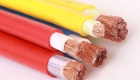 Importance of Corrosion Resistance in PV Cables Corrosion is a natural process that occurs when metals are exposed to environmental factors such as moisture, humidity, salt, and pollutants. In the case of PV cables, corrosion can lead to a range of detrimental effects, including decreased conductivity, increased resistance, mechanical damage, and ultimately, system failure. The consequences of corrosion in PV cables can be severe, resulting in reduced energy output, safety hazards, and increased maintenance costs. Furthermore, the harsh outdoor conditions to which PV systems are often exposed make them particularly vulnerable to corrosion. Factors such as temperature fluctuations, UV radiation, and exposure to moisture can accelerate the corrosion process, making it essential to use cables with high corrosion resistance in these applications. Factors Contributing to Corrosion in PV Cables Several factors contribute to the corrosion of PV cables, including: 1. Environmental Exposure: PV cables are typically installed outdoors, where they are exposed to a wide range of environmental conditions. Moisture, humidity, rain, snow, and salt spray can all contribute to the corrosion of cable materials. 2. Chemical Exposure: PV systems may be exposed to chemicals such as salt, acids, and other pollutants that can accelerate the corrosion process. Chemical exposure can be particularly problematic in coastal areas or industrial environments. 3. Mechanical Stress: Mechanical stress, such as bending, twisting, and abrasion, can damage the protective coatings on cables, exposing them to corrosion. Improper installation or maintenance practices can also contribute to mechanical stress and increase the risk of corrosion. 4. Galvanic Corrosion: Galvanic corrosion can occur when two dissimilar metals are in contact with each other in the presence of an electrolyte. In PV systems, different metals are often used in various components, leading to the potential for galvanic corrosion in the cables. Strategies to Enhance Corrosion Resistance in PV Cables To mitigate the effects of corrosion and ensure the long-term performance of PV systems, various strategies can be employed to enhance the corrosion resistance of PV cables. Some of the key approaches include: 1. Selection of Corrosion-Resistant Materials: Choosing materials with high corrosion resistance is essential in ensuring the longevity of PV cables. Copper and aluminum are commonly used in PV cables due to their inherent corrosion resistance. Additionally, coatings and platings can be applied to further enhance the corrosion resistance of these materials. 2. Insulation and Jacketing: Insulation and jacketing materials play a critical role in protecting PV cables from environmental factors that can lead to corrosion. High-quality insulation materials, such as cross-linked polyethylene (XLPE) or ethylene propylene diene monomer (EPDM), can provide excellent resistance to moisture, UV radiation, and chemical exposure. 3. Proper Installation and Maintenance: Proper installation practices, such as avoiding sharp bends, minimizing cable abrasion, and using appropriate cable management techniques, can help prevent mechanical stress and damage to the cables. Regular inspection and maintenance of PV cables can also help identify early signs of corrosion and address them before they escalate. 4. Corrosion Inhibitors: Corrosion inhibitors can be added to the insulation or jacketing materials of PV cables to provide an additional layer of protection against corrosion. These inhibitors work by forming a protective barrier on the surface of the cable, preventing corrosive agents from reaching the underlying metal. 5. Encapsulation and Sealing: Encapsulating or sealing the cable connections and terminations can help protect them from moisture and other environmental factors that can accelerate corrosion. This additional layer of protection can significantly extend the lifespan of PV cables in harsh outdoor environments. 6. Environmental Monitoring: Implementing environmental monitoring systems can help track the exposure of PV cables to various environmental factors and identify potential corrosion risks. By proactively monitoring and managing these risks, the long-term performance of PV systems can be optimized. Conclusion Corrosion resistance is a critical consideration in the design and implementation of PV systems, particularly when it comes to the cables that connect the various components together. By understanding the factors contributing to corrosion in PV cables and implementing strategies to enhance their corrosion resistance, the performance, reliability, and longevity of PV systems can be significantly improved. Selecting corrosion-resistant materials, using high-quality insulation and jacketing, practicing proper installation and maintenance, incorporating corrosion inhibitors, and monitoring environmental conditions are all essential steps in ensuring the optimal performance of PV cables in photovoltaic systems. By prioritizing corrosion resistance, PV system owners can maximize the energy output, safety, and durability of their systems, ultimately contributing to a more sustainable and resilient energy future.